Portfolio

Real-world problems, fitted solutions

Our work is grounded in intake, fit, fabrication, and handoff. Each case study captures the problem, the process, and the final result.

Washing machine handle recovery
Case Study

Washing machine handle recovery

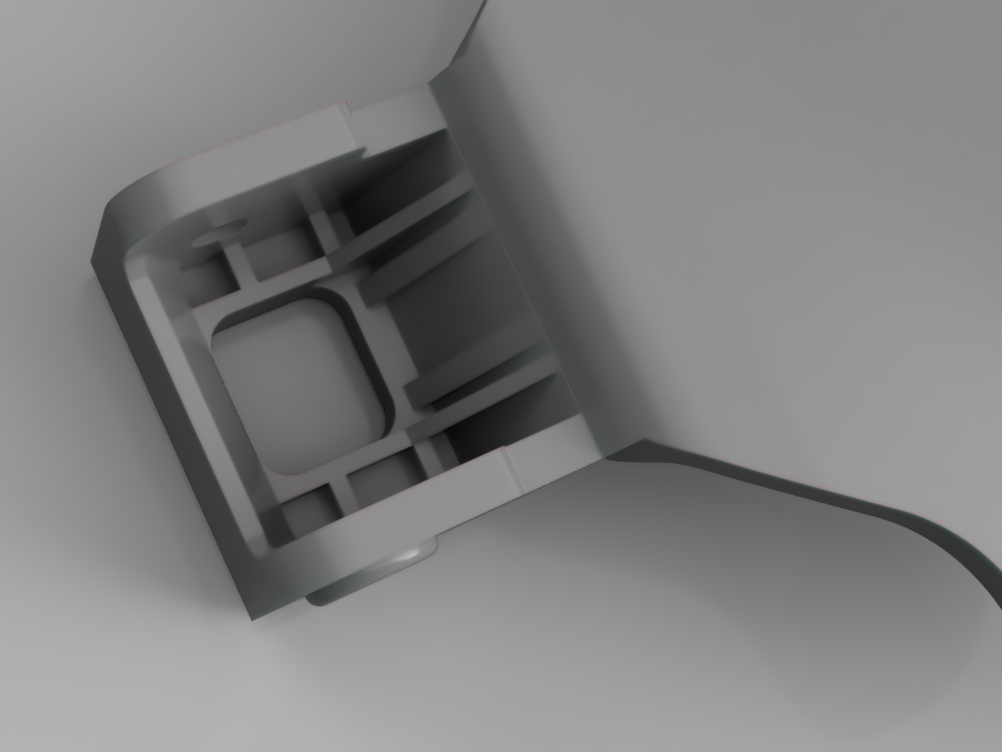
Reverse-engineered appliance handle to restore a daily-use machine without waiting on obsolete spares.

The Problem

A broken handle made the machine awkward to use and the original replacement path was slow.

The Process

Intake: Broken part and reference photos supplied by the customer.

Design: Key fit points were measured and a replacement geometry was modelled around the original interfaces.

Fabrication: Functional prototypes were tested before the finished part was produced and cleaned up.

The Result

The machine went back into normal use with a fitted replacement part.
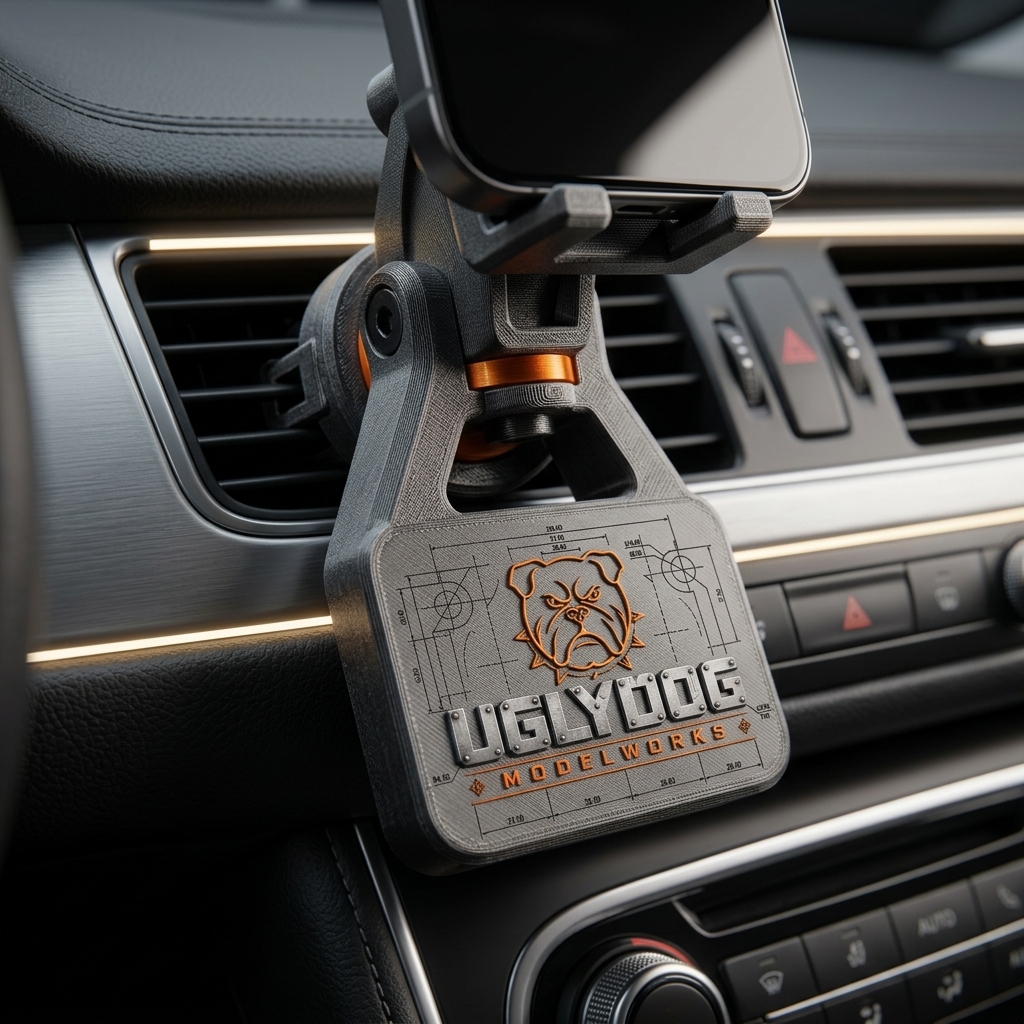
Vehicle phone mount adaptation
Case Study

Vehicle phone mount adaptation

Scan-to-fit custom mount for a non-standard dashboard position.

The Problem

Off-the-shelf mounts would not sit correctly in the available space.

The Process

Intake: Measurements and in-situ reference images were supplied for the dashboard area.

Design: A fit-specific adapter was shaped to clear nearby controls and keep the screen visible.

Fabrication: Printed structural parts were finished and assembled with standard hardware.

The Result

The final mount locked in cleanly and looked intentional rather than improvised.

Workshop tool organisation set
Case Study

Workshop tool organisation set

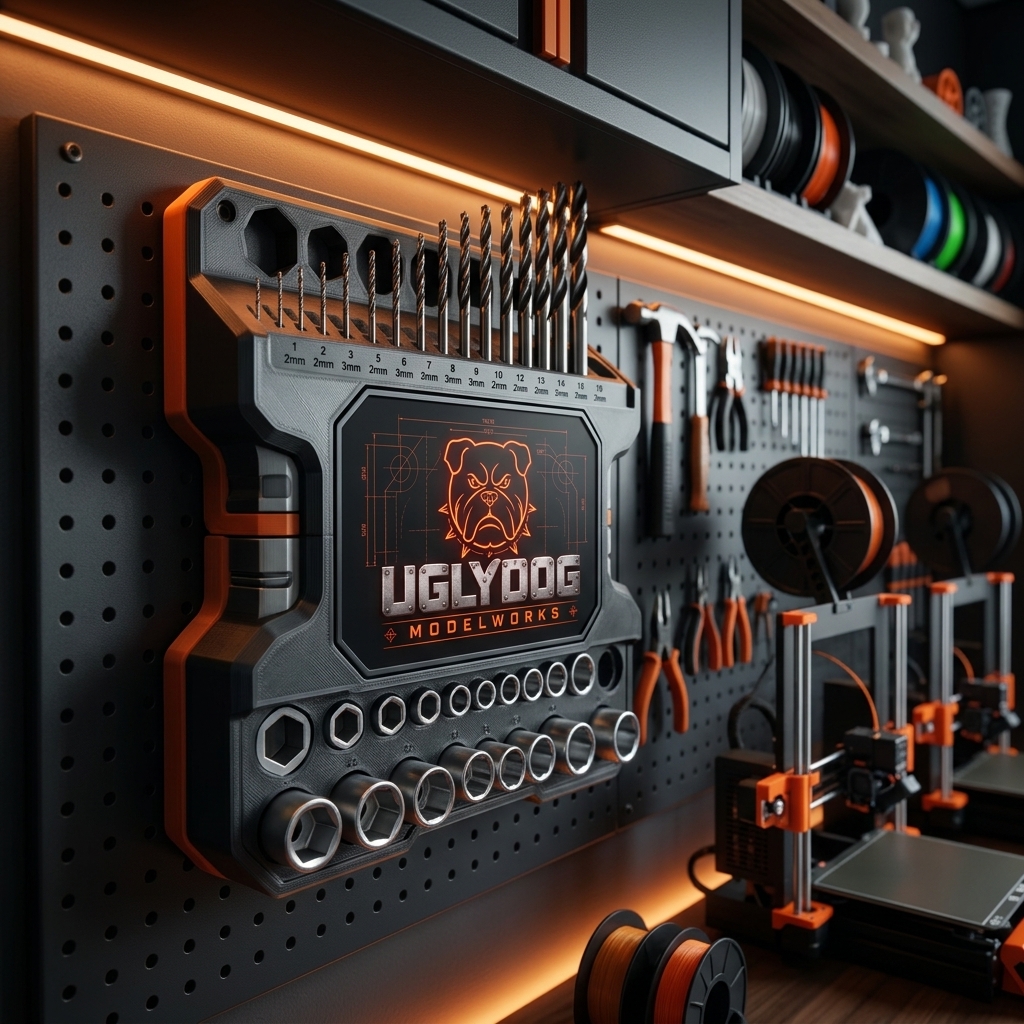
Custom organisation system to keep high-use workshop tooling visible and protected.

The Problem

Loose tooling slowed down repeat jobs and cluttered the workspace.

The Process

Intake: A target tool list and drawer dimensions were provided.

Design: Storage layouts were planned around the actual tool set instead of a generic organiser format.

Fabrication: Organisation inserts were produced in batches and tuned for the final drawer layout.

The Result

The workshop gained faster resets and better day-to-day repeatability.

Small-batch branded signage
Case Study

Small-batch branded signage

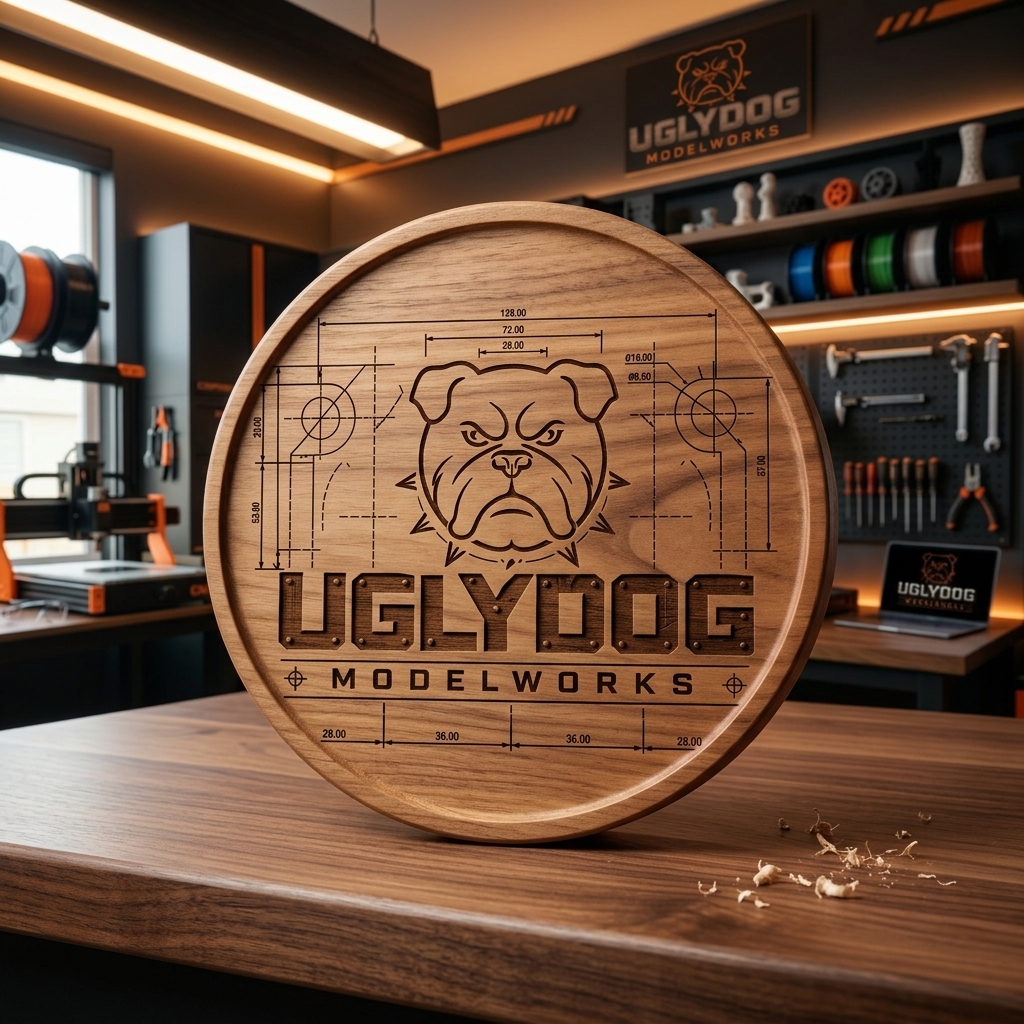
Presentation piece with dark materials, crisp engraving, and workshop-led finishing detail.

The Problem

A standard sign would have looked flat and generic for the setting.

The Process

Intake: Brand references and installation context were discussed before layout.

Design: The composition used strong contrast, framed typography, and restrained accent detailing.

Fabrication: Laser processing and finishing were paired with manual cleanup and fit-out work.

The Result

The finished sign felt fabricated and durable instead of promotional and disposable.